Walk into a living room that a designer has lit and you’ll notice it feels warm and expensive, even if the furniture is ordinary. The secret is rarely one fancy fixture. It’s layering: using several types of light that each do a different job.
You can do the same thing with plug-in lamps and a free afternoon.
Layer 1: Ambient light (the base)
This is the general, all-over glow that lets you move around safely. In many homes it’s the ceiling light, and that’s fine, as long as it’s on a dimmer or a smart bulb so you can turn it down in the evening.
No dimmer? A floor lamp that bounces light off the ceiling (often called an uplighter) is a great ambient source. Light reflected from the ceiling is much softer than light shining straight down.
Layer 2: Task light (for doing things)
Focused light where you actually read, work, or play games.
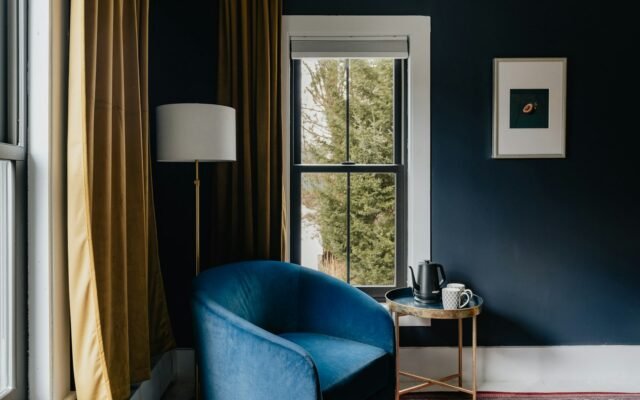
- An arc floor lamp or adjustable reading lamp beside your favorite chair
- A table lamp on the side table next to the sofa
- A desk lamp if your living room doubles as an office
Task lights should be a little brighter than everything else, but aimed. The goal is light on the page, not in your eyes.
Layer 3: Accent light (the magic)
This is the layer most homes are missing, and it’s what makes a room feel finished.
- A picture light over artwork
- LED strips behind the TV (also reduces eye strain while watching)
- Small uplights behind plants, which cast beautiful leaf shadows on the wall
- Warm lights inside a glass cabinet or along shelves
Putting it together
| Moment | What’s on |
|---|---|
| Daytime / cleaning | Ambient (bright) |
| Reading on the sofa | Ambient (dim) + task lamp |
| Movie night | TV backlight + one accent light |
| Guests over | Ambient (dim) + all accents + one table lamp |
The goal is that you almost never need everything on at once. You pick the layers that fit the moment.
Three rules that make it look right
- Same bulb color everywhere. 2700K across the room, or it will look patchy.
- Light at different heights. Something low (table lamp), something mid (wall or shelf), something high (floor lamp or uplight).
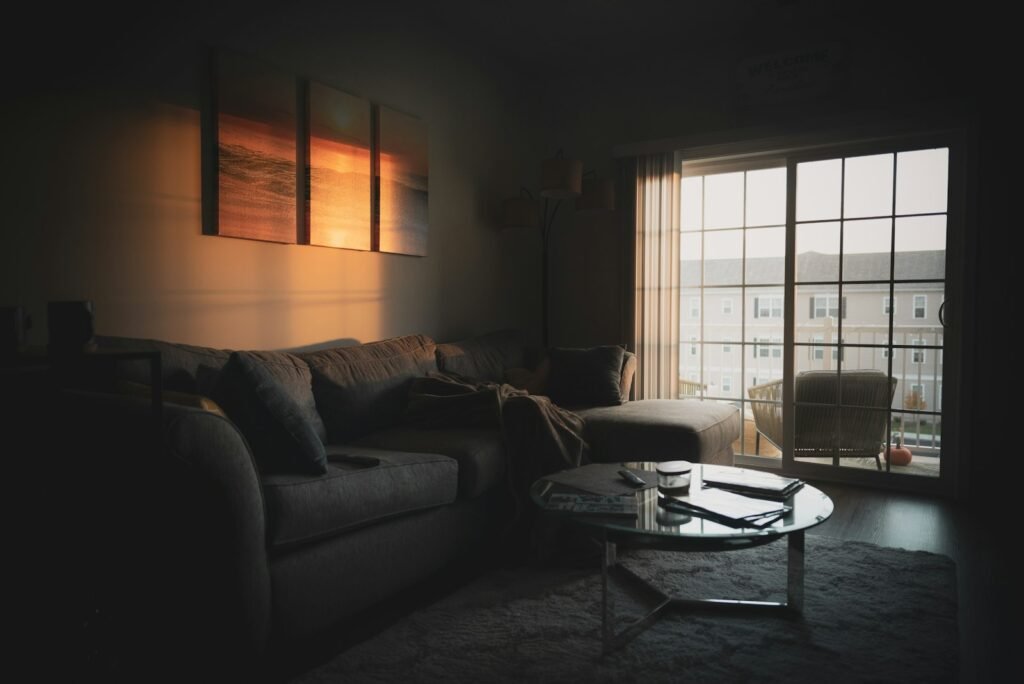
- Light the corners. Dark corners make a room feel smaller. A small lamp or uplight in one or two corners opens the space up.
👍 Pros
- Room works for every activity
- Feels warmer and more expensive
- Mostly plug-in, no electrician needed
👎 Cons
- Several lamps to switch on
- Cords need tidying
Make it effortless
The biggest reason people don’t use their lamps is that switching on four of them is annoying. Put them on smart plugs, group them into one scene, and set it to turn on at sunset. Then the cozy version of your living room just appears every evening, no effort required.
Photo: Christian Lambert on Unsplash.