Night lights aren’t just for kids. If you’ve ever stubbed a toe on the way to the bathroom, or switched on a bright ceiling light at 3am and then lain awake for an hour, a good night light is one of the smallest, cheapest upgrades you can make.
The trick is choosing one that’s bright enough to see by but dim and warm enough that it doesn’t wake you up completely.
What makes a good night light?
- Warm or amber color. Red, amber and very warm white light feel gentler at night than blue or cool white.
- Low brightness. You only need enough light to see shapes and edges. Many good night lights are dimmable down to a faint glow.
- Low placement. Light near the floor shows you where to step without shining into your eyes.
- Automatic sensors. Dusk-to-dawn or motion sensors mean you never have to think about it.
Types of night light
| Type | Best for |
|---|---|
| Plug-in with dusk sensor | Hallways, always-on gentle glow |
| Motion-sensor stick-on lights | Stairs, closets, under the bed, bathrooms |
| Under-bed motion strip | Getting up without waking a partner |
| Dimmable bedside lamp on lowest setting | People who prefer one lamp for everything |
| Salt lamp | A decorative, very warm glow |
Room-by-room suggestions
- Hallway: a plug-in dusk-to-dawn night light near the floor so the route to the bathroom is always visible.
- Bathroom: a motion-sensor light that turns on only when you walk in. Much kinder than the main light in the middle of the night.
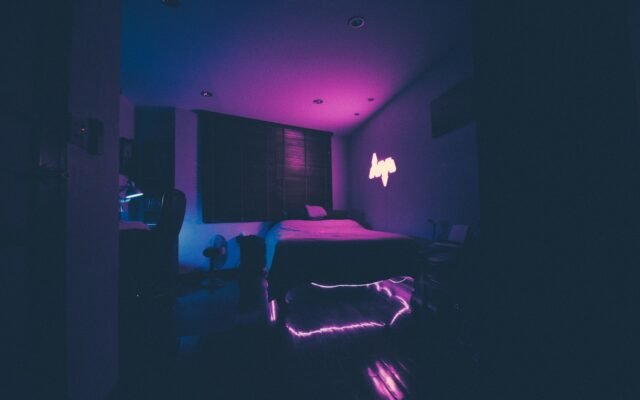
- Bedroom: a motion-activated light under the bed that glows towards the floor when your feet touch it.
- Stairs: stick-on motion lights on every second or third step. These are a genuine safety upgrade, especially for older family members.
Common mistakes
- Too bright. If you can read by it, it’s probably brighter than a night light needs to be.
- Cool white or blue. Looks harsh in the dark and feels like daytime.
- Placed at eye level. Shining into your face defeats the purpose.
👍 Pros
- Safer trips at night, especially on stairs
- Avoids switching on bright ceiling lights
- Motion and dusk sensors make it effortless
👎 Cons
- Battery models need recharging
- Some plug-ins block the second socket
The simple setup
One warm plug-in light in the hallway and one motion light in the bathroom covers most homes. If you share a bed, add a motion strip under your side. Total effort: ten minutes. Result: no more stubbed toes and no more 3am wake-ups from a blinding ceiling light.
Night light ideas for older adults
For older family members, a night light is less about comfort and more about safety. Falls at night often happen on the way to the bathroom, so lighting that route matters most. Use motion-sensor lights along the path from bed to bathroom, stick-on lights on stairs, and a plug-in light in the bathroom itself. Choose lights that are bright enough to see edges and steps clearly, but warm in color so they don’t fully wake someone up. Rechargeable lights that double as torches during a power cut are a useful extra.
Night light vs keeping a lamp on
Some people simply leave a lamp on all night. The problem is that most lamps are far brighter than needed and light the whole room, including your face. A night light placed low gives just enough light to move safely, uses very little electricity, and keeps the room dark enough for sleep. If you prefer a lamp, use a dimmable one on its lowest setting with a warm bulb.
Frequently asked questions
What color night light is best for sleep?
Warm colors such as amber, orange or red, or a very warm white, are generally the most comfortable at night. Bright blue or cool white light is best avoided in the bedroom.
Is it okay for adults to sleep with a night light?
Many adults use one. Keep it dim, warm and placed low or away from your eyes so it gives you enough light to move safely without lighting up the whole room.
Where should a night light be placed?
Low down, near the floor, along the route you walk at night: hallway, bathroom and stairs. Avoid placing it at eye level near the bed.
Do night lights use much electricity?
No. LED night lights use very little power, especially models with dusk or motion sensors that only switch on when needed.
Are motion-sensor night lights worth it?
Yes, especially for bathrooms, stairs and under-bed lighting. They only switch on when you need them and turn off by themselves.
Keep reading: Himalayan Salt Lamps: What They Do (and What They Don’t) · Warm White vs Cool White: Which Bulb Color Should You Use in Each Room?
Learn more about the basics on Wikipedia’s nightlight page.
Photo: Jp Valery on Unsplash.